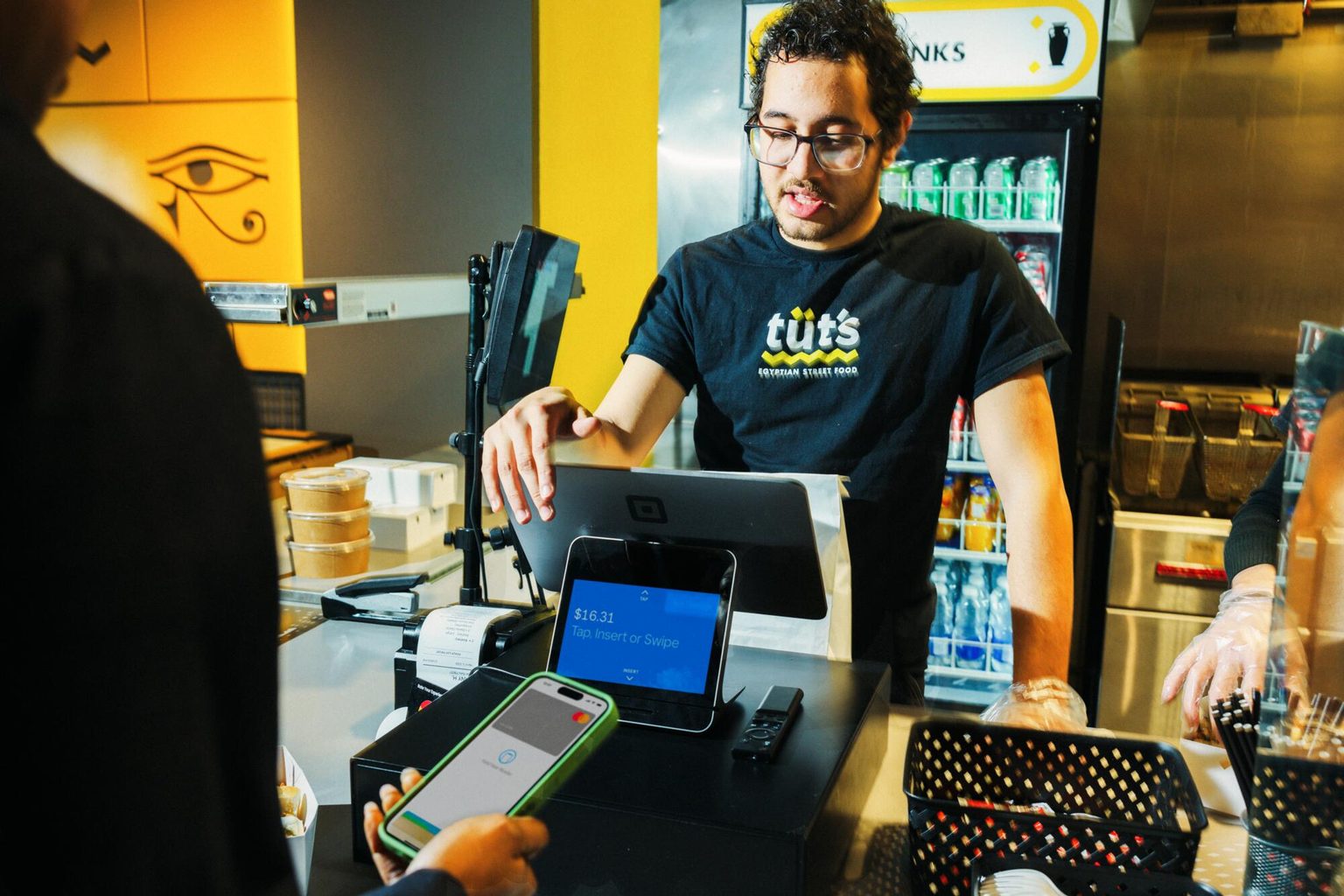
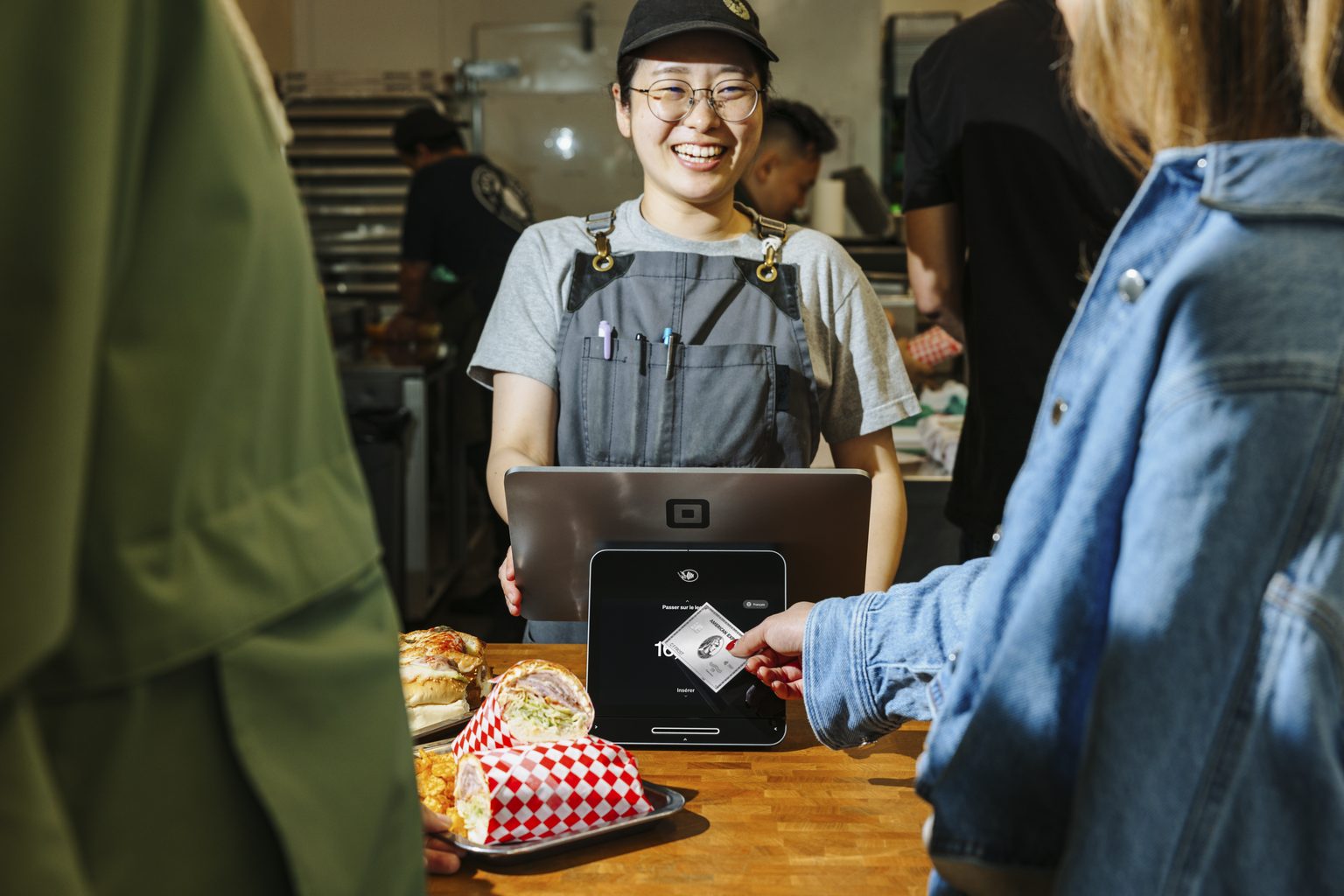
Canada's hospitality operators face mounting pressure. Rising labor costs, shifting consumer expectations, delivery integration demands, and digital engagement requirements are reshaping how restaurants, cafés, and hospitality groups must operate. In this environment, the businesses gaining momentum are not necessarily the largest—they are the most adaptable.
For many operators, that adaptability depends on having the right technology infrastructure. Legacy systems fragment operations across disconnected platforms, creating inefficiency, visibility gaps, and operational friction precisely when margins are tightest. Increasingly, hospitality businesses are looking beyond fragmented point-of-sale solutions toward unified commerce ecosystems that can handle payments, inventory, payroll, reporting, customer engagement, and online commerce from a single integrated platform.
Square has positioned itself as a critical infrastructure partner for operators seeking that kind of operational cohesion.
Why Unified Commerce Matters for Operators
For hospitality operators managing multiple channels simultaneously—dine-in service, mobile pickup, third-party delivery, retail products—fragmented systems create real operational costs. A Toronto café managing walk-in traffic and mobile orders, or a Vancouver restaurant group balancing in-house dining with delivery platforms and retail distribution, needs centralized visibility into inventory, customer behavior, staffing, and performance metrics across all channels.
That integration is not merely convenient. Operational clarity directly impacts profitability in an industry where efficiency is the difference between sustainability and failure. Real-time inventory tracking prevents stockouts and waste. Unified reporting reveals which menu items drive margins, which channels perform, and where labor efficiency breaks down. Centralized customer data allows operators to build loyalty and repeat business rather than treating each transaction as disconnected.
Square's ecosystem is built to deliver that operational visibility. Payments, inventory, payroll, reporting, customer engagement, and online commerce function together rather than in isolation—allowing operators to oversee their business holistically rather than through disconnected systems.
Accessibility as Competitive Advantage
Historically, enterprise-level commerce infrastructure was reserved for large operators with significant resources and dedicated IT teams. That created a competitive disadvantage for independent restaurants, specialty cafés, and emerging hospitality brands across Canada.
Square fundamentally changed that equation. By prioritizing intuitive design, transparent pricing, and simplified onboarding, the company democratized access to technology that allows smaller operators to compete with enterprise-level sophistication. From neighborhood bakeries in Montréal to specialty coffee shops in Calgary and fast-growing restaurant groups in Toronto, independent operators can now access real-time reporting, staffing insights, menu performance analytics, and inventory tracking without requiring advanced technical expertise or dedicated IT resources.
This accessibility is particularly important given Canada's ongoing labor challenges. Staff turnover, training demands, and operational inconsistency continue to pressure hospitality businesses nationwide. Systems that simplify workflows and reduce onboarding complexity are operational necessities, not luxuries. Square's hardware reflects the simplicity of consumer technology rather than traditional point-of-sale systems, while its software is intentionally built for usability. The result is technology that feels empowering rather than overwhelming—critical when hospitality businesses are already stretched thin on staffing.
Meeting Operator Needs Across Multiple Channels
Canadian consumers increasingly expect businesses to meet them wherever they are—online, in-store, curbside, or through mobile ordering. For operators, managing consistent brand experience across these touchpoints while maintaining centralized visibility into customer behavior and operational performance has become essential.
Square's ecosystem enables that omnichannel consistency. But equally important is how the platform generates actionable business intelligence. As artificial intelligence and automation become more integrated into hospitality operations, operators need systems that shift them from reactive management toward proactive strategy. Data insights tied to sales patterns, customer behavior, staffing efficiency, and local trends allow operators to make real-time decisions that impact growth. In an industry where margins are often razor-thin, that level of insight directly affects sustainability.
The company's tools also reflect hospitality operational realities rather than generic retail assumptions. Features designed around tipping, kitchen workflows, order pacing, menu modifications, and integrated online ordering demonstrate recognition of what hospitality operators actually need. That operator-first mentality builds trust in an industry where reliability is paramount. In hospitality, technology failures interrupt service, revenue, and guest experience simultaneously. Systems must function intuitively, consistently, and at speed.
Supporting Growth Without Operational Compromise
Historically, expansion created tension for hospitality brands. More locations meant greater operational complexity, fragmented systems, and diluted customer experience. Square's unified commerce model helps alleviate that tension by allowing businesses to maintain consistency and visibility as they scale.
This is why the platform has become increasingly influential not only among independent operators but also among scaling hospitality brands throughout Canada. Growing businesses view technology not as isolated infrastructure but as a growth partner. Operators need systems capable of evolving alongside changing industry demands rather than forcing businesses to adapt to rigid platforms.
Square's understanding of hospitality operations—the specific workflows, margins, regulatory requirements, and guest expectations that define the industry—has reinforced its position as a partner helping operators navigate the future rather than simply responding to it.
What Modern Hospitality Operators Need
Today's successful hospitality operators are building brands that exist simultaneously across physical and digital spaces. They require infrastructure capable of supporting omnichannel experiences, evolving customer expectations, and data-driven decision-making. They need technology partners that understand both innovation and hospitality fundamentals.
This shift is redefining what success looks like in Canadian hospitality. Operators are no longer simply building restaurants or cafés. They are building sophisticated brands that depend on integrated operational ecosystems. By simplifying complexity, empowering independent businesses, and continuously evolving alongside the industry it serves, Square is helping operators build that foundation.
Its role extends far beyond payments. The company is providing the operational framework through which modern hospitality businesses grow, adapt, and compete in an increasingly complex market.