High-Protein Menus Take Center Stage Protein-rich offerings are expanding well beyond traditional bodybuilding fare.
According to Nestlé USA's 2027 Food and Beverage Trend Forecast, approximately 63% of U.S. consumers are actively seeking more protein. The evolution, however, extends beyond simple additions: consumers increasingly want protein combined with fiber, probiotics, and other wellness-oriented ingredients. Restaurant operators are testing protein-enhanced coffee and specialty beverages, high-protein breakfast bowls and sandwiches, Greek yogurt-based sauces, protein-rich comfort foods, and menu items combining protein and fiber. The challenge lies in delivering these options at price points consumers find worthwhile.
Regional Global Cuisines Replace Generic Descriptions Consumers are moving away from broad categories like "Asian-inspired" or "Mexican-style" toward specific regional preparations. Datassential has identified Mexico City cuisine as an emerging area of interest, reporting that 58% of U.S. consumers are interested in trying it. Korean buldak, Sichuan doubanjiang, Filipino kinilaw, and South Asian falooda are among the foods appearing in industry forecasts. Authenticity matters for operators pursuing this trend. Rather than treating international cuisine as a passing novelty, successful restaurants should research culinary traditions and communicate origins accurately. Regional specialties provide compelling stories for menus, social media, and promotional campaigns while creating opportunities for word-of-mouth marketing.
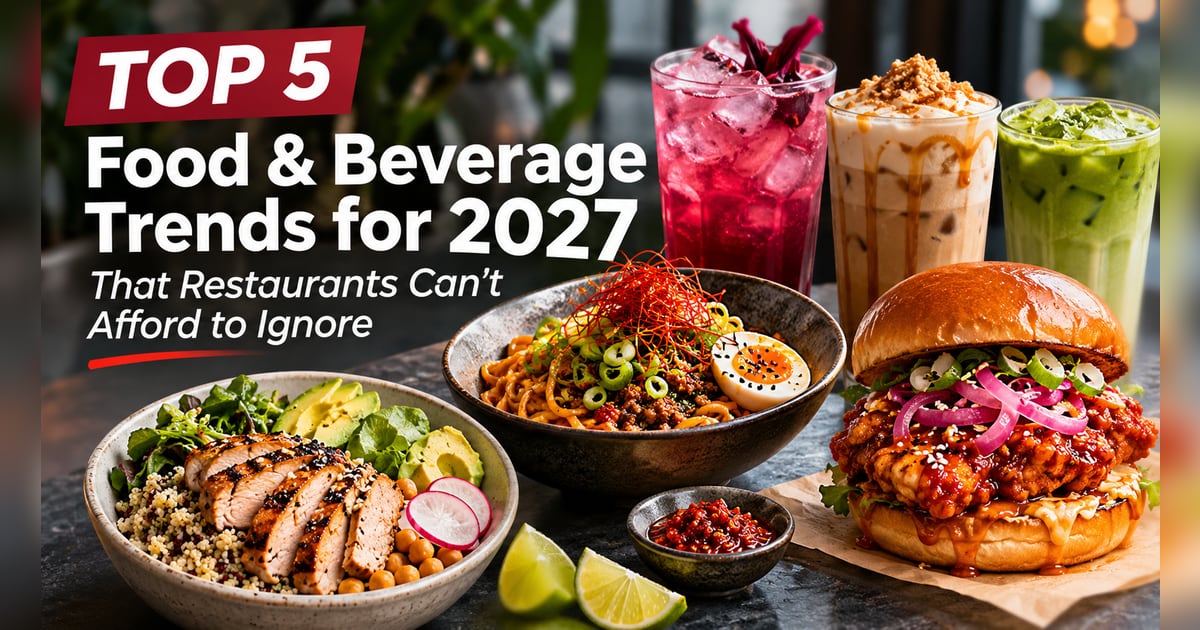
Beverage Innovation Becomes a Competitive Differentiator Specialty beverages are emerging as a critical way for restaurants, coffee shops, and quick-service chains to distinguish themselves. Datassential identifies dirty soda and hibiscus among mainstream beverage trends, while Nestlé USA reports growing interest in fruit-forward coffee drinks. Its 2027 forecast cites remarkable increases in searches for banana bread lattes, highlighting consumer curiosity about unexpected beverage flavors. Operators should pay attention to presentation: colorful beverages, unusual garnishes, and distinctive glassware encourage social media sharing. However, visual appeal alone isn't sufficient. The best innovations balance visual impact with taste, consistency, operational simplicity, and profitability. Testing seasonal beverage specials can refresh menus without overhauling kitchens, and successful drinks can become recognizable signature products that encourage repeat visits.
Portion Flexibility and Premium Positioning Reshape Value Equations The traditional restaurant value proposition is shifting. OpenTable's 2027 Dining Trends Report found that 35% of surveyed Americans would like to see more smaller portions, while 40% want more protein-rich menus. These preferences suggest opportunities for greater menu flexibility through smaller entrée options, half-portions of signature dishes, shareable tasting plates, build-your-own bowls, and premium appetizers designed for sampling. Parallel to portion flexibility, the Specialty Food Association highlights a trend called Instant Elevation—simple ways to transform everyday food into something more special. For restaurants, this means introducing small but memorable upgrades through elevated sauces, distinctive finishing ingredients, premium toppings, or unexpected textures. The objective isn't necessarily to increase costs dramatically, but to make the dining experience feel more rewarding and justify premium pricing.
Why It Matters
These five trends share a common thread: they reflect changing consumer expectations rather than simply introducing new ingredients. Operators who successfully navigate 2027 won't necessarily be the most expensive—they'll be the ones that make customers feel their money was well spent. Datassential's October 2026 trends report found that 75% of consumers say they're looking forward to trying new food and beverage trends in 2027, signaling genuine appetite for menu innovation. The key for restaurant owners lies in testing smaller changes before committing to major overhauls, then measuring not just initial sales but repeat purchases, contribution margins, customer feedback, and operational impact to determine whether trends deserve permanent placement.
For more insights and trends in the food and beverage sector, check out more articles in The Food & Beverage Magazine family of publications.
Written by FBM Publications Editors