Frozen filled pasta is quietly becoming one of the most relied-upon shortcuts in American home kitchens — and foodservice operators should take note. A new national survey from Rosina Food Products finds that 34% of U.S. adults have served store-bought frozen filled pasta and allowed others to believe it was made from scratch, signaling just how far the category has come in quality perception.
The 2026 Pasta Night Report, based on an online survey of 1,009 U.S. adults conducted in September 2026, offers a detailed look at pasta consumption habits and preferences. Respondents were recruited through TapResearch's consumer panel and weighted to reflect U.S. Census age distribution.
What the Data Shows
Convenience is the dominant driver. Sixty-two percent of respondents say frozen pasta helps them manage busy weeknights, 47% keep it permanently stocked, and 32% call frozen filled pasta a regular staple. Those numbers track closely with broader frozen food category trends showing sustained demand for high-quality, quick-prep proteins and center-of-plate items.
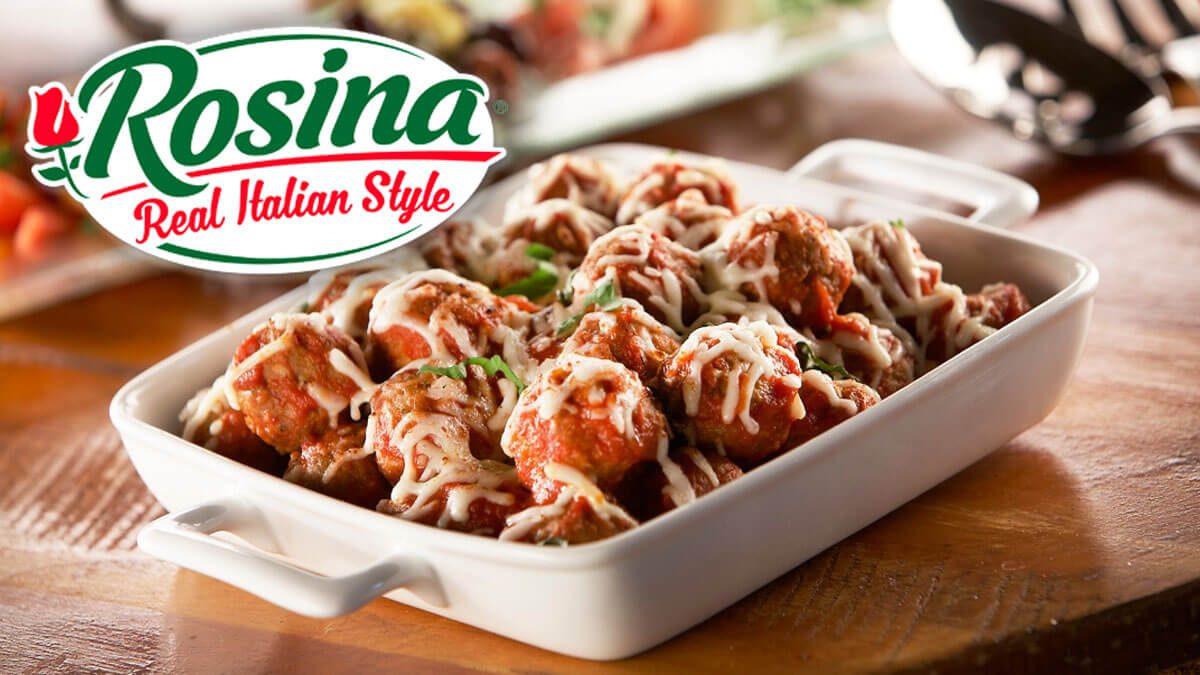
On the preference side, spaghetti leads all pasta dishes at 40% of top choices, followed by stuffed shells at 15% and ravioli at 14%. Meatballs are top of mind for 68% of consumers on pasta night — a meaningful data point for operators building Italian-leaning menu builds. Marinara dominates sauce selection at 44%, with Alfredo second at 31% and vodka sauce at 8%.
The stuffed-versus-classic split was nearly even: 49% prefer cheese-stuffed pasta, 51% prefer classic formats. That balance suggests operators carrying a single filled pasta SKU may be leaving half their potential audience underserved.
"Stuffed pasta does a lot of the work for you," said Brian Muscarella, corporate chef at Rosina. "A little browned butter, some fresh herbs or a spoonful of pesto can turn a bag of ravioli into something that feels like a restaurant dish on a Tuesday night." That framing has direct implications for casual dining and fast-casual Italian concepts looking to streamline back-of-house operations without sacrificing plate perception.
Community Commitment
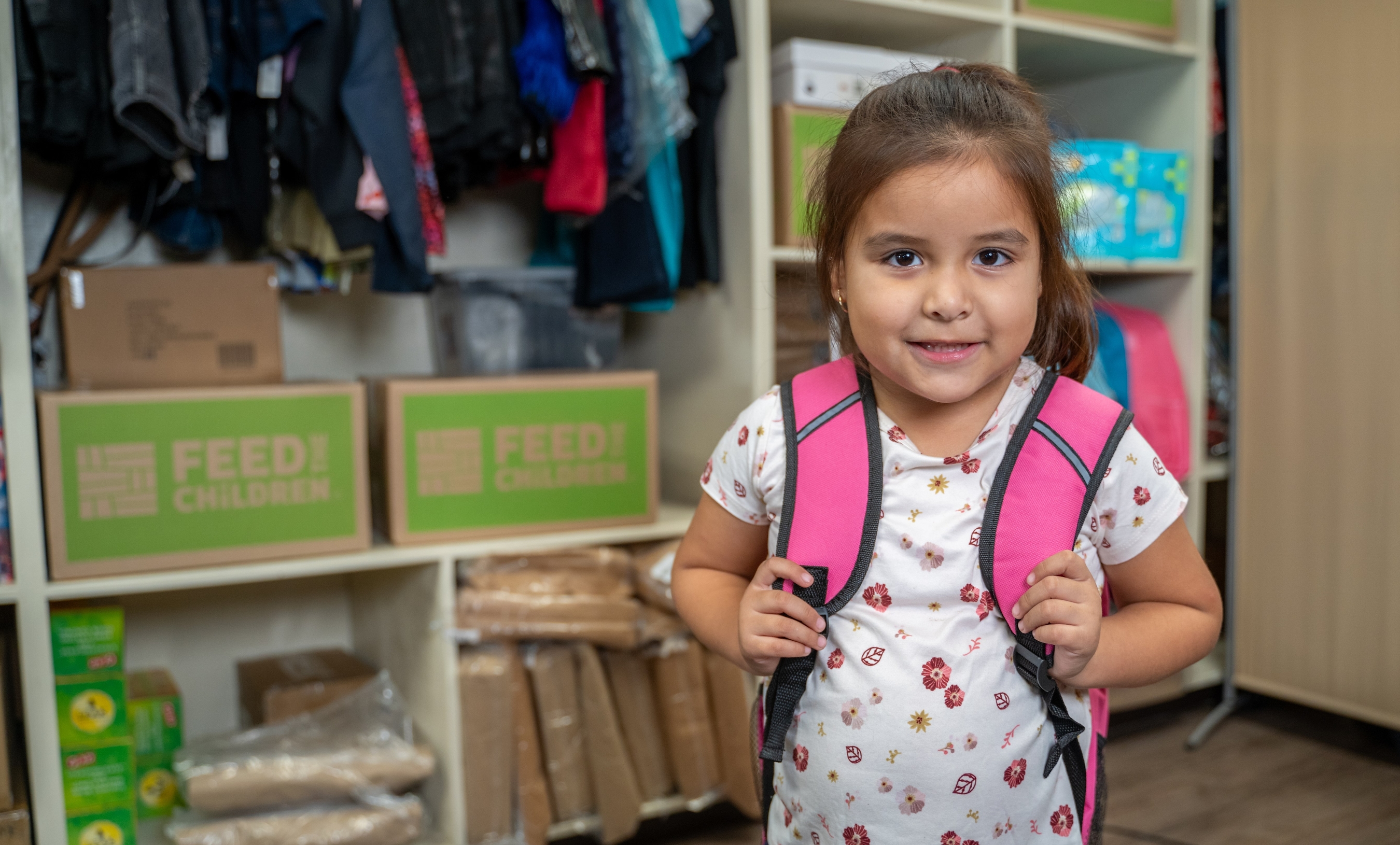
To mark National Pasta Day on October 17 and Italian American Heritage Month, Rosina is donating 40,536 pounds of Celentano tortellini and ravioli — approximately 112,000 servings — to FeedMore WNY, the regional food bank serving the Buffalo area. The contribution builds on a March donation of 4,400 pounds of frozen meatballs, equivalent to roughly 552,000 meatballs and approximately 100,800 meals, also directed to FeedMore WNY for National Meatball Day.
"Supporting our neighbors has always been an important part of who we are for 63 years," said Andrea Corigliano Augustyn, a third-generation family member and corporate brands manager at Rosina. The donations reinforce a community-investment model that a growing number of food manufacturers are adopting as both a values statement and a brand-building strategy ahead of the holiday season.
For foodservice buyers and retail category managers, the Rosina data underscores a consumer base that is increasingly comfortable blurring the line between scratch cooking and quality frozen product — a dynamic that continues to reshape center-of-store and foodservice procurement alike. Our restaurant supply chain coverage tracks how manufacturers are responding to that shift across Italian and broader frozen entrée segments.
Written by Michael Politz, Author of Guide to Restaurant Success: The Proven Process for Starting Any Restaurant Business From Scratch to Success (ISBN: 978-1-119-66896-1), Founder of Food & Beverage Magazine, the leading online magazine and resource in the industry. Designer of the Bluetooth logo and recognized in Entrepreneur Magazine's "Top 40 Under 40" for founding American Wholesale Floral, Politz is also the Co-founder of the Proof Awards and the CPG Awards and a partner in numerous consumer brands across the food and beverage sector.