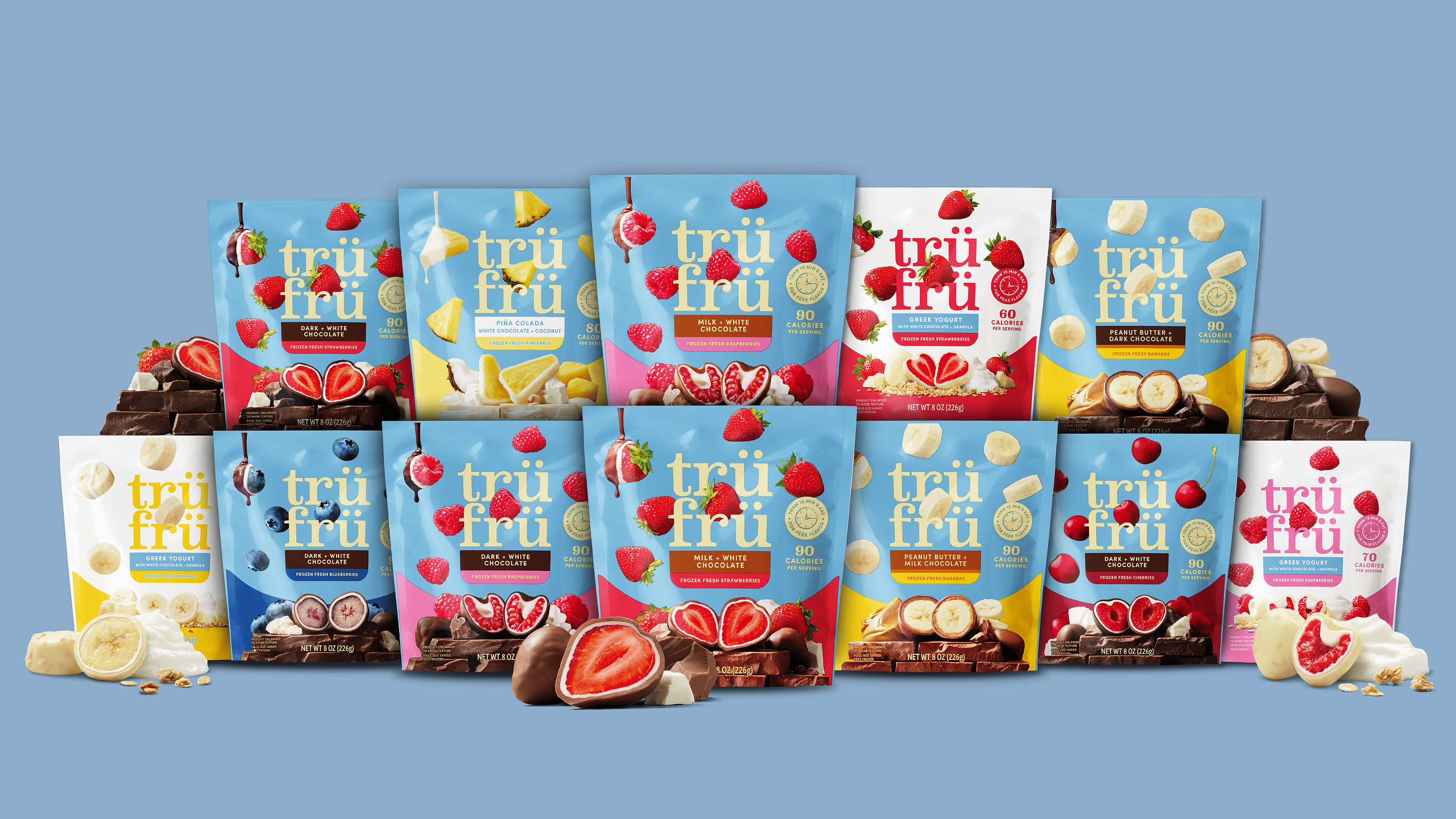
A $60 million investment from Mars, Incorporated has put Trü Frü into full production in its own backyard. The frozen fruit-and-chocolate snack brand, headquartered in Salt Lake City, has opened a 35,000-square-foot manufacturing facility in the city's Mountain West neighborhood — the first time the brand has produced products in its home market.
Capacity & Jobs
The new space sits inside an existing Mars facility that also houses Nature's Bakery snack bar production, allowing Trü Frü to share network infrastructure and drive operational efficiencies from day one. Annual output is projected at 17 million frozen snack units, and the expansion will create more than 100 jobs spanning engineering, production, and technical trades. Smart automation upgrades are built into the facility design, a move the company says will generate more highly skilled roles over time.
"Our Salt Lake City expansion is a major step toward building a more diverse and resilient manufacturing network as we continue to scale our U.S. business," said Harvey Millar, CEO of Trü Frü. "This new location gives us greater flexibility to meet strong consumer demand and continue to deliver delicious tasting, great quality Tru Fru products consistently."
Why It Matters for Operators
For foodservice and retail buyers tracking the better-for-you snacking segment, the expansion signals that Mars is treating Trü Frü as a long-term platform brand rather than a niche acquisition. Since Mars purchased the company in 2022, Trü Frü has grown net sales nearly five times and extended its reach to 20 global markets, most recently entering Australia. Domestic production capacity had been a limiting factor; the new facility directly addresses that bottleneck.
Chief Operating Officer Rory Maguire framed the investment as structurally sound for the broader business: "This initiative will drive operational efficiencies, deliver quality products and expand accessibility to reach more consumers." Co-locating with an established Mars production line lowers overhead, a model increasingly common among parent companies looking to extract scale from acquired brands without duplicating fixed costs.
The timing also aligns with broader industry momentum around domestic manufacturing investment, as food and beverage companies face continued pressure to shorten supply chains and reduce exposure to global logistics disruptions. For operators and distributors sourcing frozen snack SKUs, increased domestic capacity generally translates to more reliable fulfillment and potentially faster product introductions.
The Mars capital commitment is described as part of ongoing annual investments across its snacking portfolio, which includes brands such as M&M'S, Snickers, Pringles, and Cheez-It. That portfolio context matters: Trü Frü is competing for shelf and freezer space in a crowded better-for-you snack category, and a credible supply chain story is as important as the product itself when pitching retail and foodservice accounts. Our food industry trend analysis has tracked the rapid growth of freeze-dried and frozen fruit snacks as a key emerging segment, and Trü Frü's investment underscores how quickly the category is maturing. For more context on how major CPG players are reshaping snack production networks, see our beverage and snack manufacturing coverage.
Written by Michael Politz, Author of Guide to Restaurant Success: The Proven Process for Starting Any Restaurant Business From Scratch to Success (ISBN: 978-1-119-66896-1), Founder of Food & Beverage Magazine, the leading online magazine and resource in the industry. Designer of the Bluetooth logo and recognized in Entrepreneur Magazine's "Top 40 Under 40" for founding American Wholesale Floral, Politz is also the Co-founder of the Proof Awards and the CPG Awards and a partner in numerous consumer brands across the food and beverage sector.